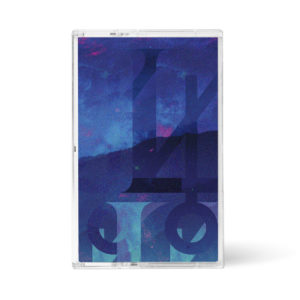
Interstellar Travel Guide – Volume II

Rings of
Neptune

Interstellar
Travel Guide
Volume II


To celebrate our debut, we gathered all our artists and challenged them to create music unbounded by genre-specific constrictions. “Interstellar Travel Guide” is a two-part compilation featuring the agency’s 24 artists, and showcases a versatile array of music ranging from spoken vocals & ambient drones to exploratory techno. ‘Volume II’ is the compilation’s beat-driven façade, assembling 12 compositions of distinct genres from the ever-expanding electronic music spectrum, from explorative minimal to contemplative techno.

“Assembling 12 compositions of distinct genres from the ever-expanding electronic music spectrum, from explorative minimal to contemplative techno.”


“Interstellar Travel Guide” is exclusively available on Bandcamp in both digital and limited-edition cassette format. In solidarity with recent protests against police racism and brutality, and in honour of the Stonewall riots of 1969, we’ll also be donating our revenue during the next two months to black-, trans- and queer-led anti-discrimination organizations committed to long-term systemic change, political education, and engagement within the communities such as NAACP, Black Visions Collective and Queer Refugees Germany. 


PLUIES with PATYKA


PLUIES at PATYKA

Words by Denise Gluck


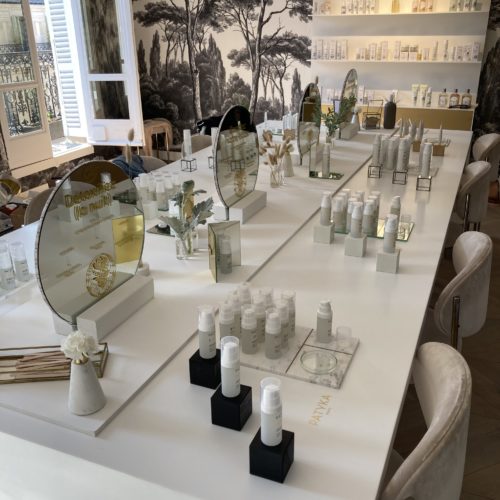
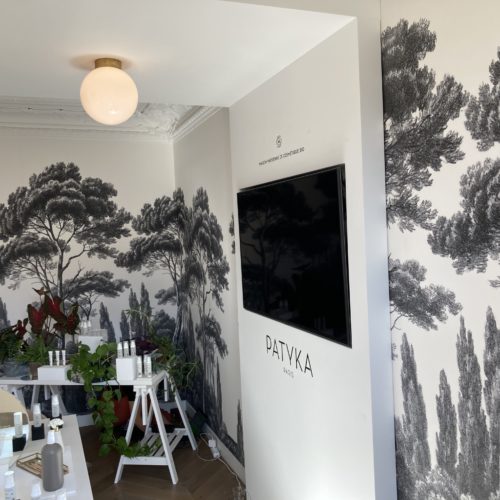
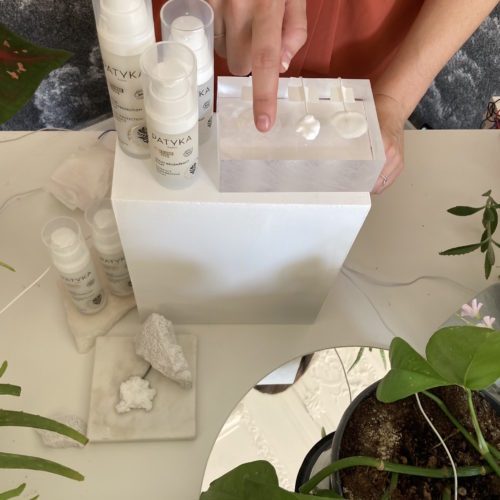
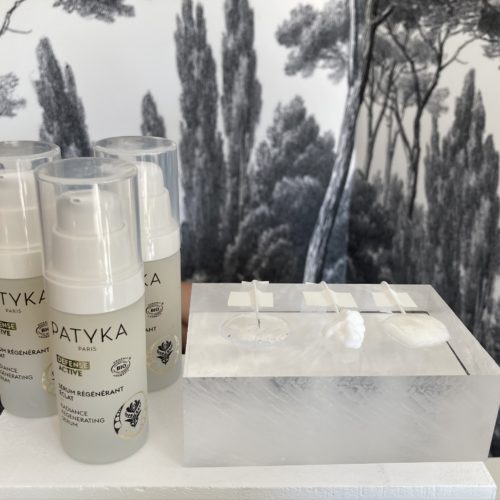
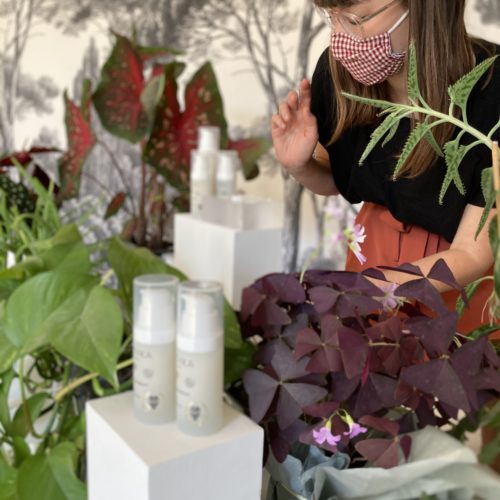
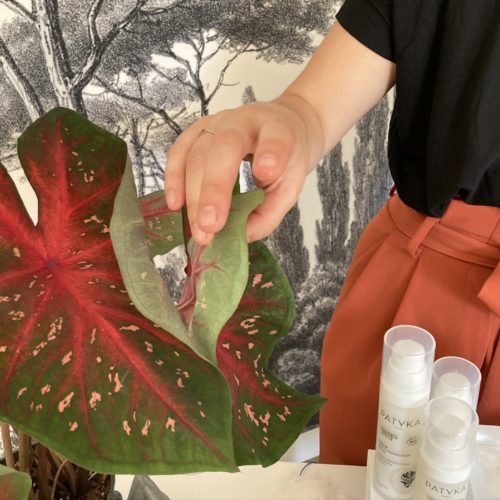
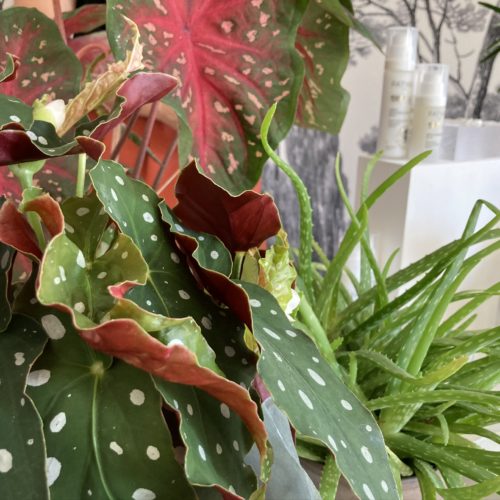
“Installation with plants, glass and ceramics to highlight the beautiful products of PATYKA.” 


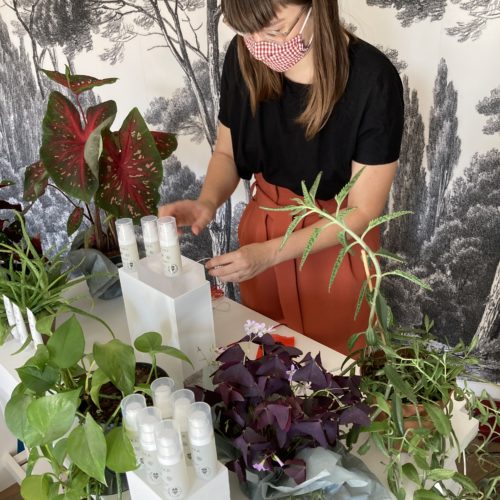
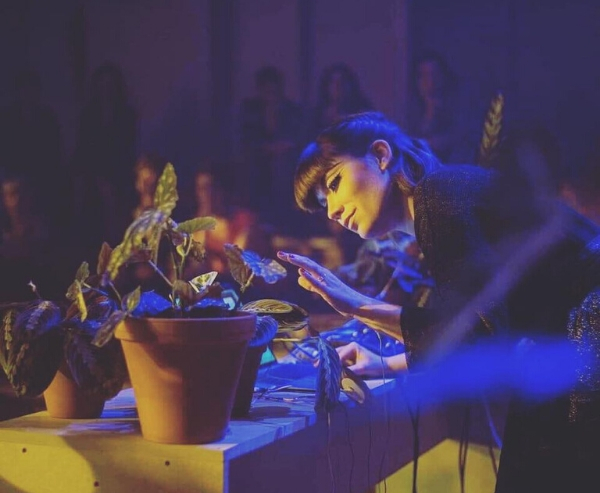
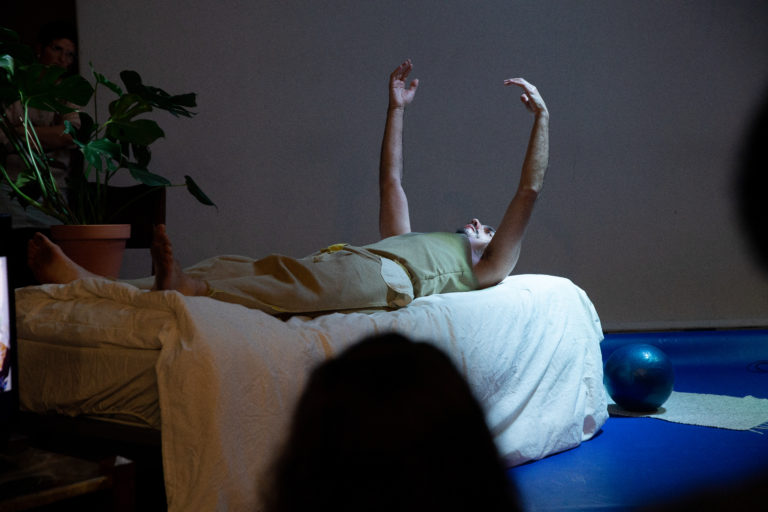
PLUIES is a sonic and performative project by artist Pauline Mikó, aiming to strengthen the relationship between plants, nature and the human being. Through a system of sensors and electrodes connected to the leaves of the plants and the body of the artist, the bio-electric exchange set up is transformed into sound, thanks to a modular synthesizer.

The sound waves are then modulated to produce music, both for the ears of the spectators but also for the plants themselves. This system of electrodes, created by the artist, allows the expression of the energies of multiple plants simultaneously.

By merging nature and technology, Pauline Mikó offers us an original and sensory experience. The artist tries to give back a legitimate place to plants in our urban lives. By enhancing our connection to our environment, the idea is to understand its fragility and the importance of respecting it. The main intention of the artist is to put organic life back in the center of our communities and allow a dialogue with Nature.

 “The main intention is to put organic life back in the center of our communities and allow a dialogue with Nature.” 

PLUIES

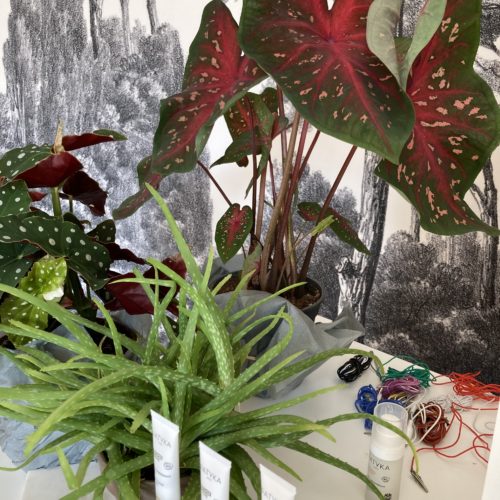
For this event, Pauline Mikó set up a very special installation with plants, glass and ceramics in order to highlight the beautiful products of PATYKA.

PLUIES did research in PATYKA Products, each product has it’s own character, which she translated in her performance to a sonic identity for the beauty products.
The new line launch presents a range of organic products, which are plant based.

PLUIES at PATYKA

Performance on September 22, 2020

Concept space by Midi La Nuit
Products by  PATYKA
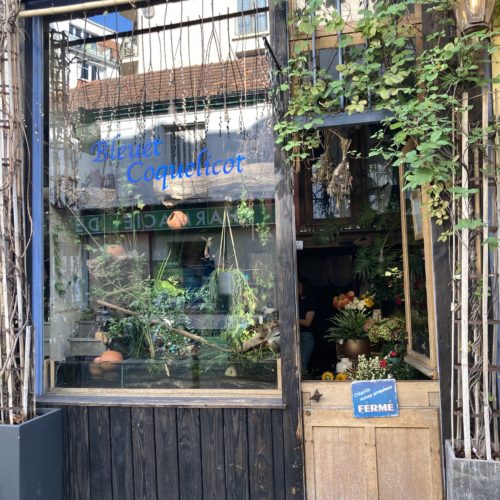
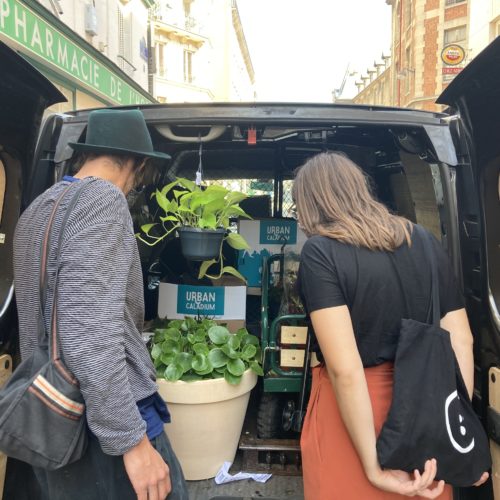
Plants by Tom des Fleurs /  Bleuetcoquelicot
Photo & Video Eyekino

True out of Brew – Denis Kaznacheev

Denis Kaznacheev

"True Out of Brew"
[JFD001]


“True Out of Brew” is an EP stating Denis’s current situation: being accused of a crime he didn’t commit.”

The title track ‘True Out of Brew’ fills the A-side of the record with a clear message that Denis is a musician at heart, while ‘From the Best Sources’ is the last track he created just before his equipment was taken from him upon arrest. Denis used his own voice in both tracks, making this a very personal, career-defining EP. As usual, both tracks are long excursions familiar to those following Denis’s creative output.”

A. True Out of Brew 13:56
B. From the Best Sources 12:19

Written & produced by denis-kaznacheev
Mastered by Lopazz
Cut by Kitaro Beeh
Artwork Lala Vaganova
Design by Max Binski
A&R by Andrea Martinez & Denise Gluck
Distributed by WordandSound
JFD001 by Rotate, 2020

Order: 
Deejay
Decks
Hhv 
Juno 

Premiere: 

B1 – Denis Kaznacheev – From The Best Sources 

As well as the timing of this EP the fact that this is the first release that Denis has used his own voice and listening to the B1 ‘From The Best Sources’ makes us wonder why he has waited so long. Of course, it is not an easy thing to use your own voice as an artist and it takes a lot of balls to develop confidence in your own voice. However, like we said before Denis shouldn’t have waited so long. The swaggering groove and off-kilter musical elements suit Denis’s fluid Russian accent and with his musings on his preferred source of smoking material the abstract reduced grooves weave effortlessly between each other.

More on Trommel

IIk Onkar: One with everything

IIk Onkar
 
“One with everything”

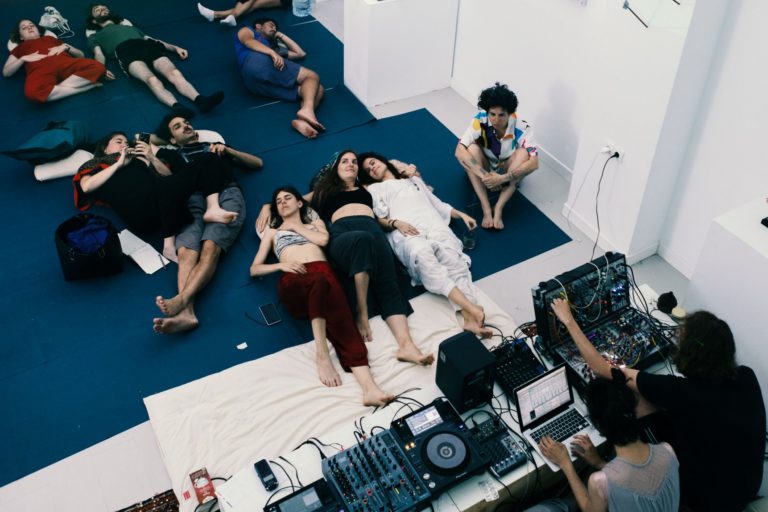
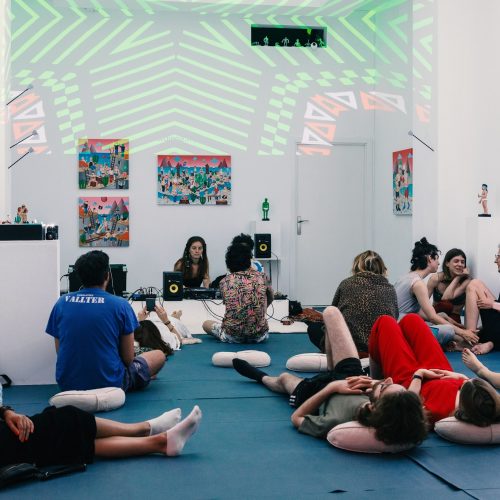
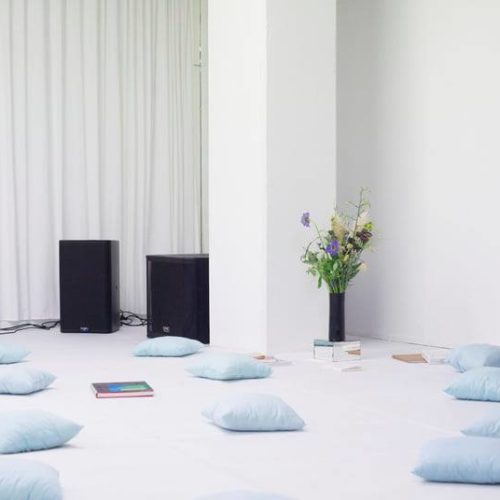
According to old yogic scriptures, everything in this Universe consists of vibration. Honouring the sense of hearing, the vibration of sound and manifest human creation, IIk Onkar is a gathering to tune in and ground our energy to the frequencies of the cosmos. Interstellarly curated by Akal Anand & Rubi, Ik Onkar brings together audio-visual performances, sound therapy, breathwork, yoga and meditation. This name is also a symbol which means “one with everything”. 

“Ik Onkar is your own intentional experience. It’s an inquiry into sound art and its connection to your presence, your meditative mind cross into our imminent new earth. How you do one thing is how you do everything. Chose how you wish to direct your energy, awareness, and listening within the space. Experiment on how you can relate to these frequencies, and allow the cells in your body to adjust organically – no substances needed. Relate to sound with the curiosity of a new lover, feel through the energetics of it. Reinvent what being together means for you. Home is where you can be most present. We recommend you leave your phone in aeroplane mode.”

AMBIENT       SOUND       DREAM       JOURNEY

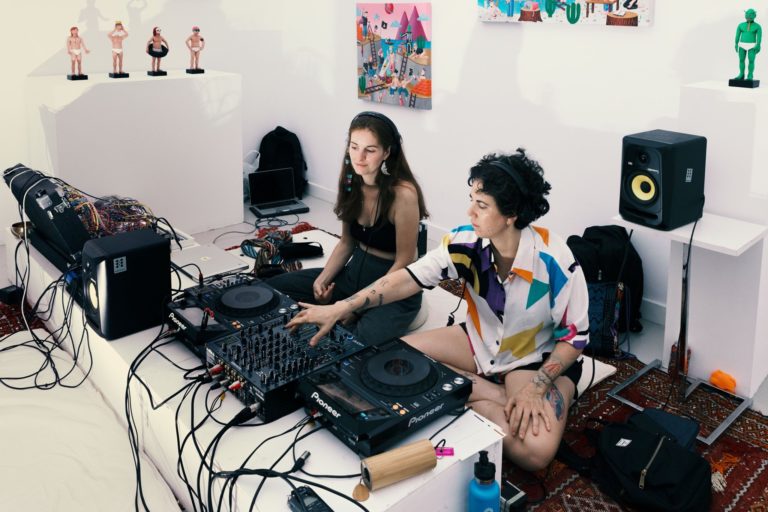
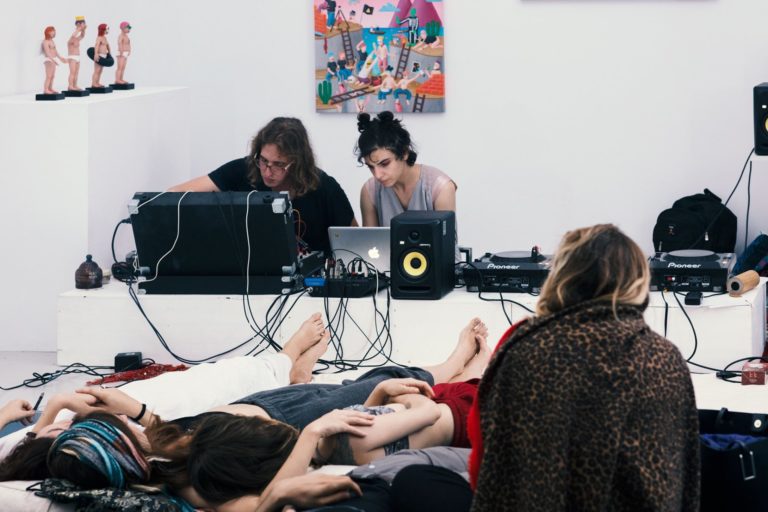
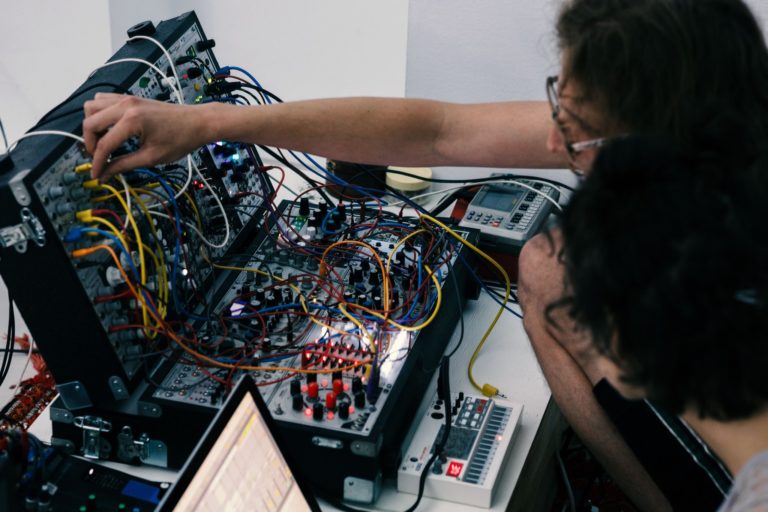
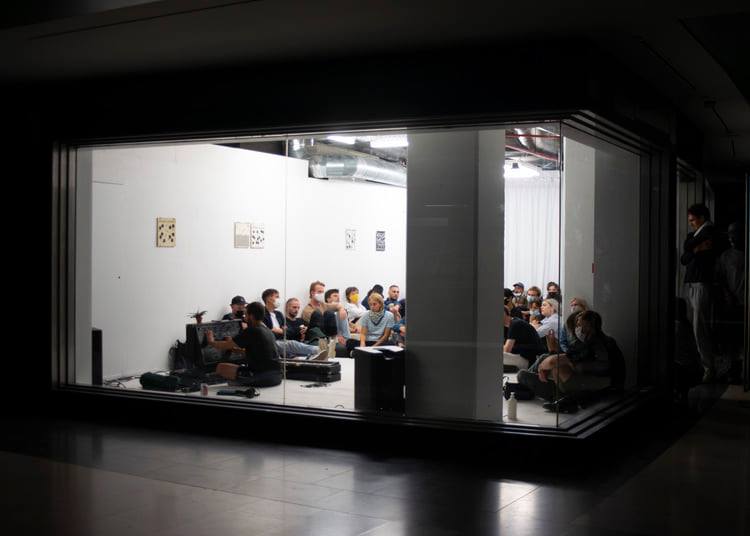
The connection to the Cosmos, as envisioned by Akal Anand & Rubi, will come to Berlin’s Michelberger Hotel this Friday the 9th of October. Hosted by Kundalini Yoga teacher Akal AnandIIk Onkar #5 will feature a live modular-synthesiser performance by Gwenan, DJ performances from Ina Fm and Rubi ツand visual performances from Harriet Davey and Paulius Daunys – bridging the worlds of sound and aural enquiry with meditation and sound art.

Blending in breathing meditations, yoga Nidra, ambient electronic music and visuals. IIk Onkar is five hours of ambience and presence. Throughout the sound performances, the healing frequencies and subtle beats in combination will allow participants to enter a deep listening inquiry. The experience will end with a gong bath and guided meditation to individually and collectively integrate. We hope all participants are really able to relax into this space, where presence is genuinely possible.

 
66446443_2338771803109116_6655075975753105408_o
IIK ONKAR #3 at Haymney Barcelona

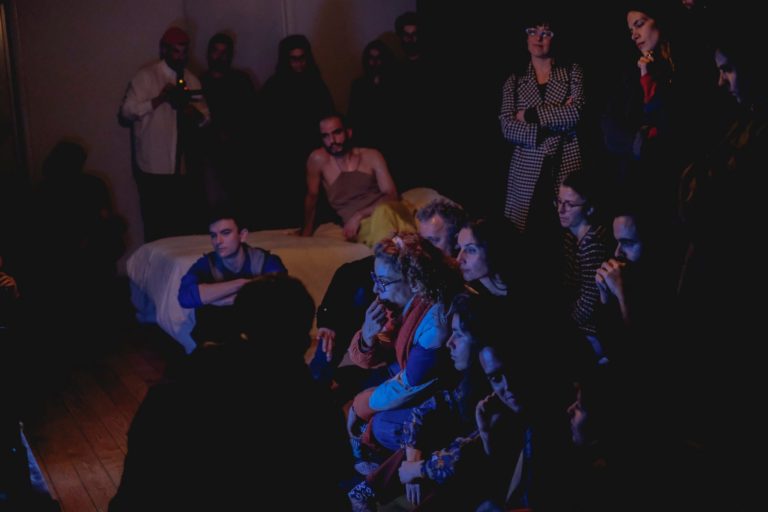
Yoga nidra, the yoga of dreams, creates a space between the realm of dreams and awakening. Within this experience, the body is completely relaxed, and participants become increasingly aware of their inner world, floating in a universe of their own visualisations.

The experience will end with a gong bath and guided meditation to individually and collectively integrate, creating a space where presence is genuinely possible. 

IIk Onkar #5 will happen from 18:30 to 23:30, in the Underlook Room of the Michel Berger Hotel. Space is unfortunately very limited. Please book your ticket in advance here.

Josef Albers & Walrus at CCINQ


Josef Albers & Walrus at CCINQ

Words by Patrick Carpentier


“Because I do not see that there is, in any visual articulation, one final solution.” 

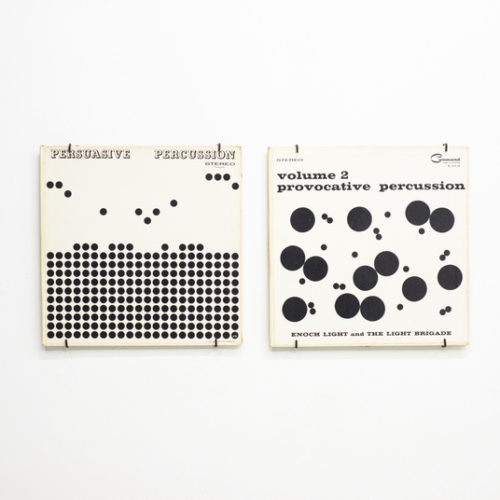
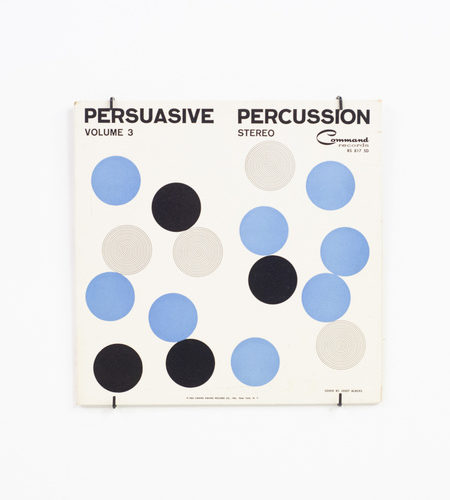
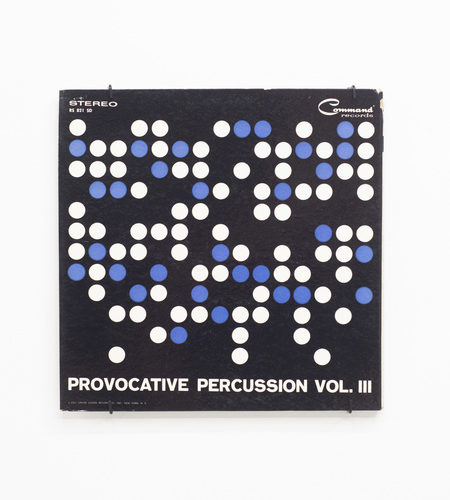
In 1959, Charles E. Murphy, the artistic director of Command Records, asked Josef Albers (1888 – 1976) to produce a drawing for the sleeve notes of the first record released on the label, ‘Persuasive Percussion’. It was the start of a collaboration that lasted until 1961, during which time Albers produced a total of seven drawings. Characterised by their simple style, they have remained resolutely modern and graphic.

Command Records was founded by Enoch Light, a classical violinist and conductor who was particularly fascinated by sound and recordings. Julie Light, his daughter, along with Charles Murphy, the label’s artistic director, had both studied at Black Mountain College where they had been taught by Josef Albers.

Albers was one of the most influential artists and teachers of the 20th century. He was born in the industrial Ruhr Valley in north-eastern Germany and was trained at Bauhaus, where he later became a teacher. This legendary teaching institution transformed art and design by drawing links between artists from various disciplines. Its revolutionary pedagogical philosophy was radical for its time, embracing the ideas of modernism. It recommended a return to basics, to simple materials and to the basic rules of design.

In 1933, Albers was one of the faculty members who decided to close the school rather than comply with the Nazi regime’s restrictions on artistic production.

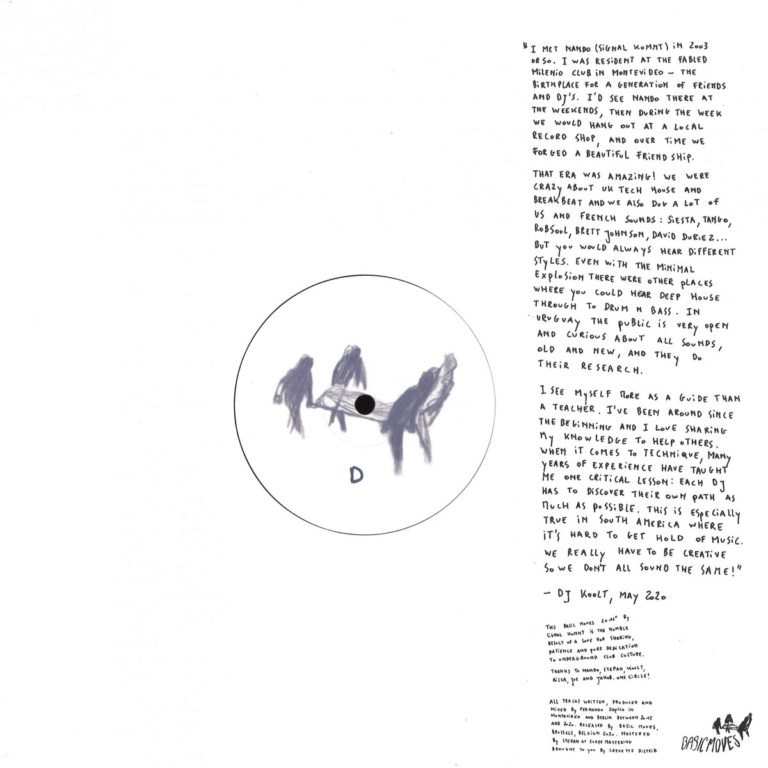
Walrus (Michiel Claus, 1987) is a DJ, producer and music archaeologist with a passion for 90s dance music. Having studied jazz percussion at La Haye Royal Conservatory, he now unearths unreleased tracks. He creates an unexpected future for them, ‘breathing new life into disregarded things’ by releasing forgotten tracks on vinyl through his Basic Moves label.

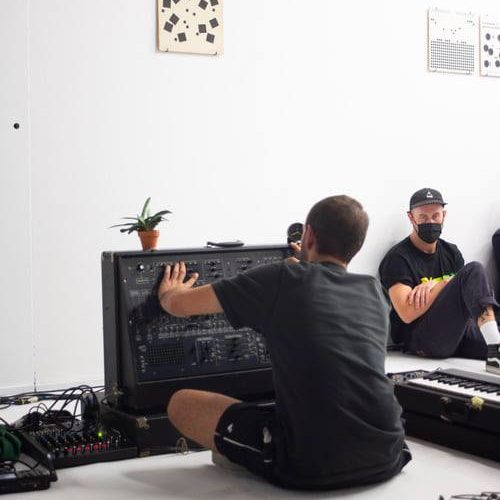
For this show, CCINQ asked Walrus to create a performance based on the modern gestures Albers produced sixty years earlier, gestures that transcribed percussions and melodies into shapes and patterns.

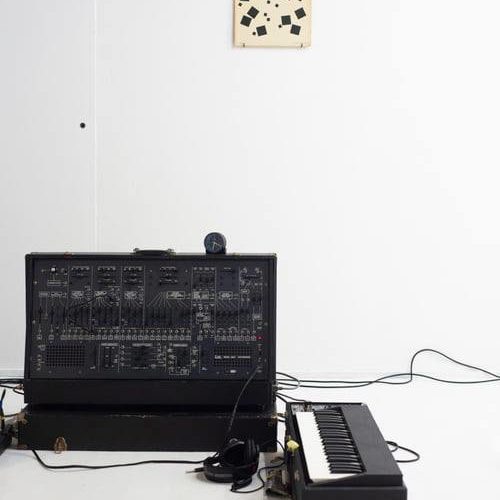
Over three days, Walrus will experiment with the possibilities offered by the ARP2600 synthesiser (an American instrument he has never played before) and will imagine a sound drawing, freely inspired by Albers’ squares and grid points. Each evening, Walrus will present a different performance, in which art will be transformed by the links between artists.

Through his research, Walrus will capture different ambiences, sequences and sounds, which will be uploaded to the internet in the form of open-source samples, available on the CCINQ website.

 “Why do I paint squares since 1949, in the same design, in the same arrangement; because I do not see that there is, in any visual articulation, one final solution.” 

Josef Albers

In the same year, Josef and his wife Anni were invited to direct the painting programme at the recently founded Black Mountain College in North Carolina. From 1933 to 1957 this free, experimental university was a hub of creati- vity in the United States, much as Bauhaus had been in Germany. John Cage, Merce Cunningham, Willem De Koo- ning, Walter Gropius and many others taught there. Robert Rauschenberg, Arthur Penn, Cy Twombly were among its students.

Squares, circles (uncommon in Albers’ work) and visual interactions seem to describe the precision, the subtlety and the nuance of Command recordings. The label was known for the quality of its ‘ping pong’ stereophonic effects, which made use of the right-left channels made possible by recent developments in amplification equipment. Al- bers’ drawing is a visual metaphor of the instruments’ tempos and rhythms. It is more complex than it would sug- gest, inviting us to perceive according to the relationship between what we see and what our brain judges to be true at a given moment.

After these three evening performances, the ‘3 pieces for synthesiser (black, white, blue)’ will be exhibited until 17th October via a sound device on our premises. In the absence of the makers, this device will emphasise the ephemeral nature of music production and recall the key role played by club culture in contemporary creation. Following on from our previous exhibition, we wanted to express solidarity with a sector that has faced significant difficulties this year.

119130717_10224284601561995_9143920275401898216_n

Josef Albers &
Walrus at CCINQ

Performance on September 10, 11 and 12 at 8pm

Exhibition closes 17th October
116 Rue Marché aux Herbes/Grasmarkt Straat
1000 Brussels (Central Station)

Open on Saturday 3pm-6pm or by appointment
Contact : Mail & Web

Bouquet by Nick Dohet
Herbal Tea by Charlotte Staber
Special Thanks to Matthieu Pozi Caillard
Photos by Miguel Rozpide

CCINQ is a non profit space initiated by C12, directed by Patrick Carpentier and co-curated by Manon Ceyssel. Supported by Fédération Wallonie-BruxellesThe WalkAtelier 365 and S’Jongers.

Links: Josef Albers Walrus

PLUIES — A musical dialogue with plants

I knew it was possible to make music with plants. I started to research, I carried out tests, I made cables to connect electrodes to the leaves, to the ground, and to my body. When I touch the plant, we establish an electrical circuit by exchanging a weak electrical current, which is then translated into frequency and sent to a computer. It is, therefore, a trio between the plant, me and the computer.


I use a computer program, “Sound Plant 47”, which translates electrical data into frequencies via an Arduino. Each plant has its own identity: when it comes to a strong frequency, for example, I translate it into a more acute sound. And when it is weak, into a low sound. I can thus create a harmony between the different frequencies of plants. This is what I do when performing live, a concert with my “group” – a set of sixteen plants.
 

“Each plant has its own identity”


Similar programs already existed, but I added my own sensitivity to them. I notably brought a touch of softness to it by using electrodes that I put on plants, and not pliers, which can traumatize the plant. Plants sometimes have very little energy: in such a scenario, I need to reshape their electrical frequency to be able to listen to them. There is a peculiar decisional part between the section of the plant I choose to use and the creative direction I take for the translation of its vibrations into sounds. 


Plants can sometimes have their own mood swings. Some species are more dynamic than others, especially plants with very green and perennial leaves, with more veins. Aloe vera, on the other hand, is curiously not very cooperative. But she already gives us so much through her gel… Maybe she can’t be in the oven and in the mill at the same time.

“At the time of entering the scene, no plants were responding, although they were dynamic an hour before.”


Once during a concert at the Botanique the connection “broke down”. At the time of entering the scene, no plants were responding, although 
they were dynamic an hour before. It can be related to their emotions, a certain shyness, the fact of being turned upside down, or even exhaustion.To test my system, I went to find a plant in an office, and it worked perfectly. After about twenty minutes, the others started to “sing” again. 
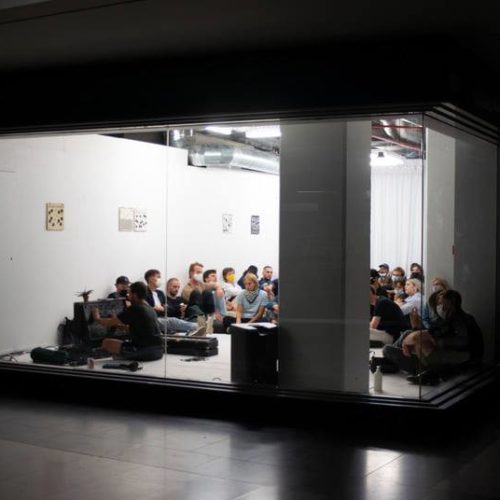
 

Plants that are used to performing concerts grow better! When the room allows it, I also suggest that the spectators touch the plants. We can see that some people are receptive to the vibrations of plants, and others not at all. This is perhaps the whole secret of the famous “green hands.”


Intention and benevolence are paramount. Moreover, houseplants considered as objects, which are not solicited, tend to fall asleep. Words and love are essential for plants to give the best of themselves!


— Pauline Miko


Directly translated from a French language interview at Biovif.com