


Planetary Interscapes
— Episode three
“Learning and Forgetting and Learning Again”
Sound mixed and compiled by Nies
Visual interpretation by Max Binski
Welcome to the Planetary Interscapes podcast series. 10 years after its debut on Pluie/Noir and 90 audio-visual podcasts later, the series is reborn in collaboration with Rings of Neptune. Planetary Interscapes will follow the same motto and feature audio collages, mixes, live interviews, and live recordings from artists, friends, and other collectives we admire, visually interpreted by our favourite graphic wizards.
We’re delighted to welcome Nies (aka Denise Pakes) to the series, presenting a musical selection that gracefully transcends time and space. Bruno and Denise share a connection that spans over a decade — rooted in countless musical collaborations and a deep, enduring friendship. Having Denise in the series was not only long overdue but truly essential. The video artwork was created by Bruno, under his audio-visual alias Max Binski. Scroll down to read the interview, pour yourself a cup of tea, press play, and enjoy.
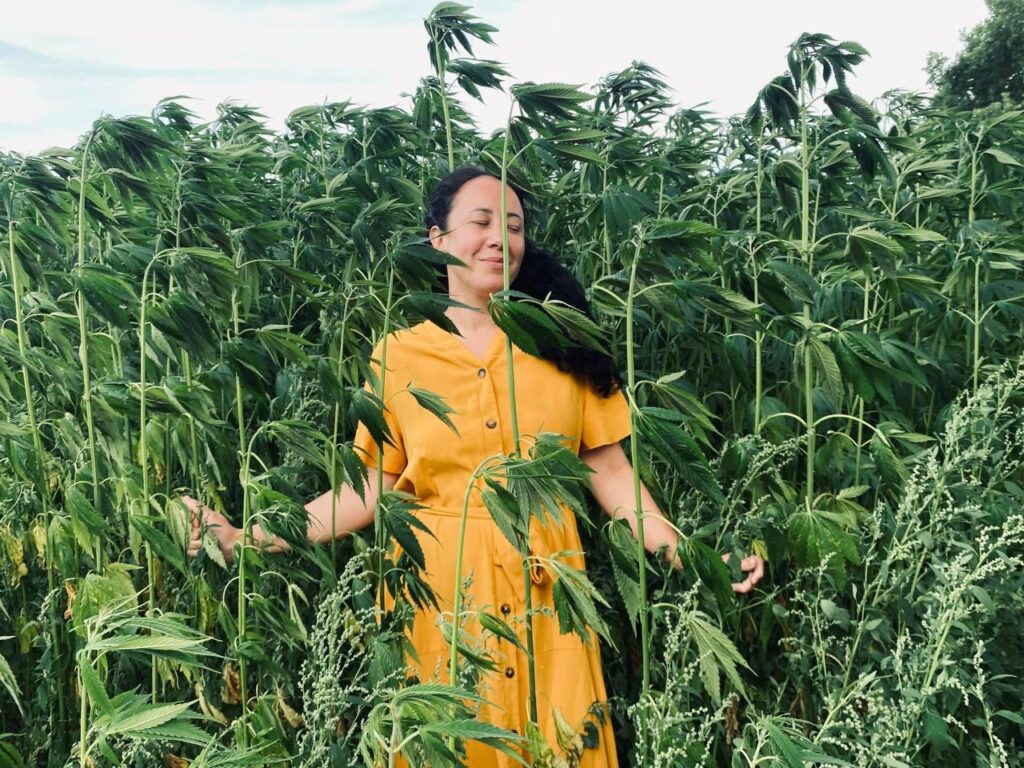
INTERVIEW — NIES
A pleasure to finally have you in this series. How are you, dear?
My pleasure too, dear. Thank you for the invitation—it’s an honour to be part of the Pluie/Noir Interscapes series. I’m moving with the currents of change, both personally and creatively. A lot has been shifting recently, and I’m trusting the process, even in the midst of the storm.
Your journey with sound has taken many shapes over the years. How would you describe your artistic evolution and the main influences that have shaped it?
My background is actually rooted in the visual arts—I studied Image & Sound at the Art Academy and Conservatory in The Hague, where I explored video, installations, and live visuals. Early on, I was working with VJing, first using VHS tapes, then dia, overhead, and film projectors, experimenting with analog and digital formats. But over time, I felt an increasing pull toward sound as its own expressive medium, beyond its role as an accompaniment to visuals. I wanted to understand sound more deeply, especially in terms of composition and spatial diffusion. This curiosity led me to Paris at INA GRM, where I completed a master’s degree “Création Musicale & Arts Sonores”, an institution that had already been a major influence on my sonic explorations. Studying there was a dream come true—learning directly from some of my favourite electroacoustic and acousmatic composers, and immersing myself in techniques that expanded my perception of sound. It brought together many aspects of my creative practice, allowing me to explore multichannel sound diffusion, spatial composition, and the sculpting of sound in a way that felt almost physical.
I come from a more experimental background, both in audio and visual arts, these two elements have always been interconnected for me. They feed into each other, and I approach sound with a visual sensibility — textures, depth, and movement.
“For me, creating a mix is never just about selecting tracks—it’s about
capturing a moment in time, a feeling, a subconscious narrative that unfolds
as I go. I approach it very intuitively, letting myself be guided by the flow rather
than overthinking it.”
Your mixes and soundscapes often blur the lines between DJing, storytelling, and sonic experimentation. What’s your approach when curating a mix, and how does intuition play a role in the process?
There’s something almost magical about that process, allowing one sound to lead naturally to the next, as if it’s already mapped out in some invisible way. It’s about surrendering to the moment—when I stop interfering and just listen, everything seems to fall into place, like happy accidents meant to be. I also love playing with words in the same way—cutting them up, rearranging them, and creating new meaning from fragments. This approach directly translates to my work with sound, where I treat textures, voices, and rhythms as pieces of a larger sonic collage.
The Poèmes Électroniques series was born from this idea. I had been writing a lot of cut-up poetry, and I wanted to bring these fragmented narratives into a sonic space—merging spoken word with layered soundscapes to create something fluid and immersive. Ultimately, my mixes are about storytelling, but not in a linear way. They are abstract narratives—something felt rather than explained, a journey where every listener might take away something different. It’s this open-ended nature that keeps the process exciting for me.
“Coming from a visual background has had a huge impact on the way I approach sound.“
Can you tell us about the mix you created for this episode? Was there a particular
concept, mood, or narrative guiding your selection?
“Learning and Forgetting and Learning Again” came from a personal period in my life. I was experiencing a neurological issue that put intense pressure on a nerve in my head, causing memory loss in my daily life. Simple things would slip away, like they had been erased, and it gave me a completely new perspective on learning, remembering, and how fragile those processes can be. This mix is a reflection of that time—a sonic exploration of forgetting, relearning, and the cyclical nature of knowledge and perception. It also touches on the idea that learning never truly stops, but sometimes we have to unlearn in order to absorb things differently. That process of erasing and rediscovering became the core of this mix. I structured it as a sound collage, where moments appear and dissolve, fragments weave in and out, and memory itself feels fluid rather than fixed. The opening and closing tracks were clear from the start, also as a kind of homage to Ryuichi Sakamoto, while everything in between was woven into a sonic tapestry—an ever-evolving landscape of atmospheres.
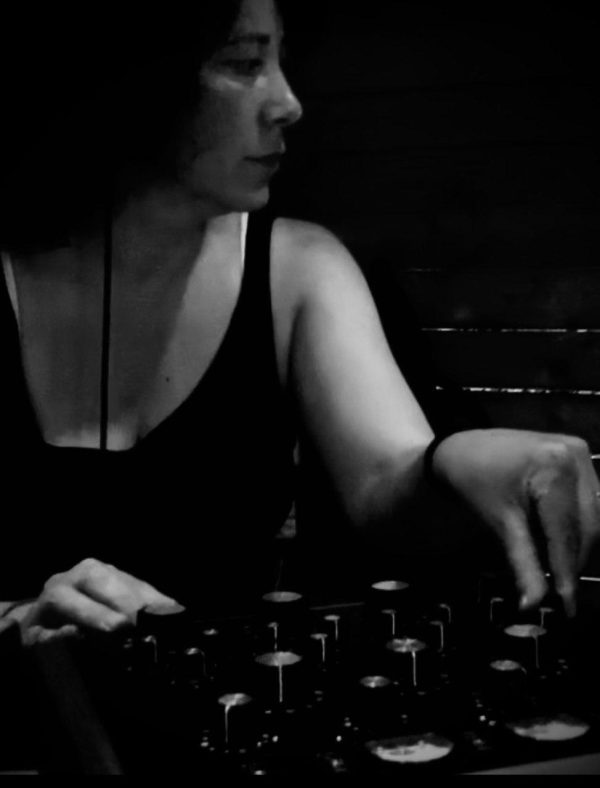
“Space plays a fundamental role in how I create and experience sound“
Beyond DJing and music composition, you’re involved in other creative disciplines. How do these different mediums inform and inspire your work with sound?
For me, sound and image are in constant dialogue—one can inspire the other, and often they merge in unexpected ways. I love composing sound for visuals, but also the reverse—creating music and then finding an image that somehow fits, as if they were always meant to exist together.
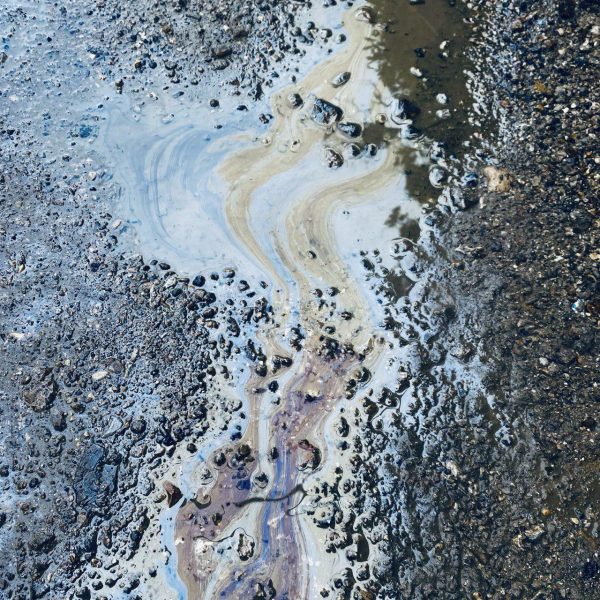
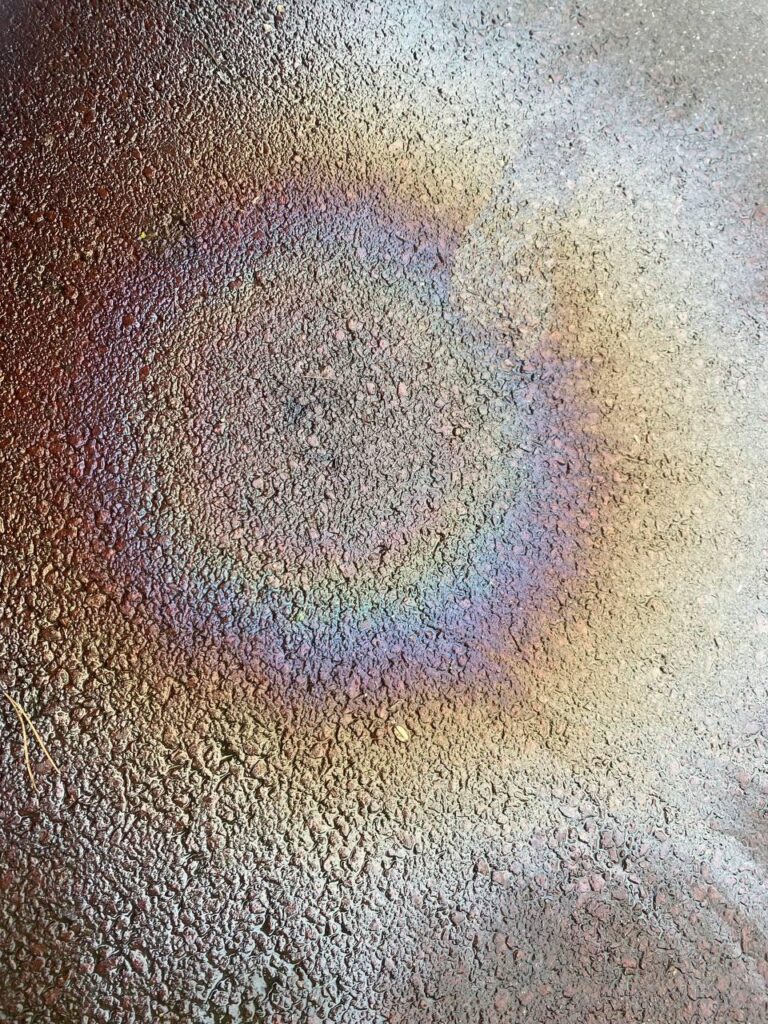
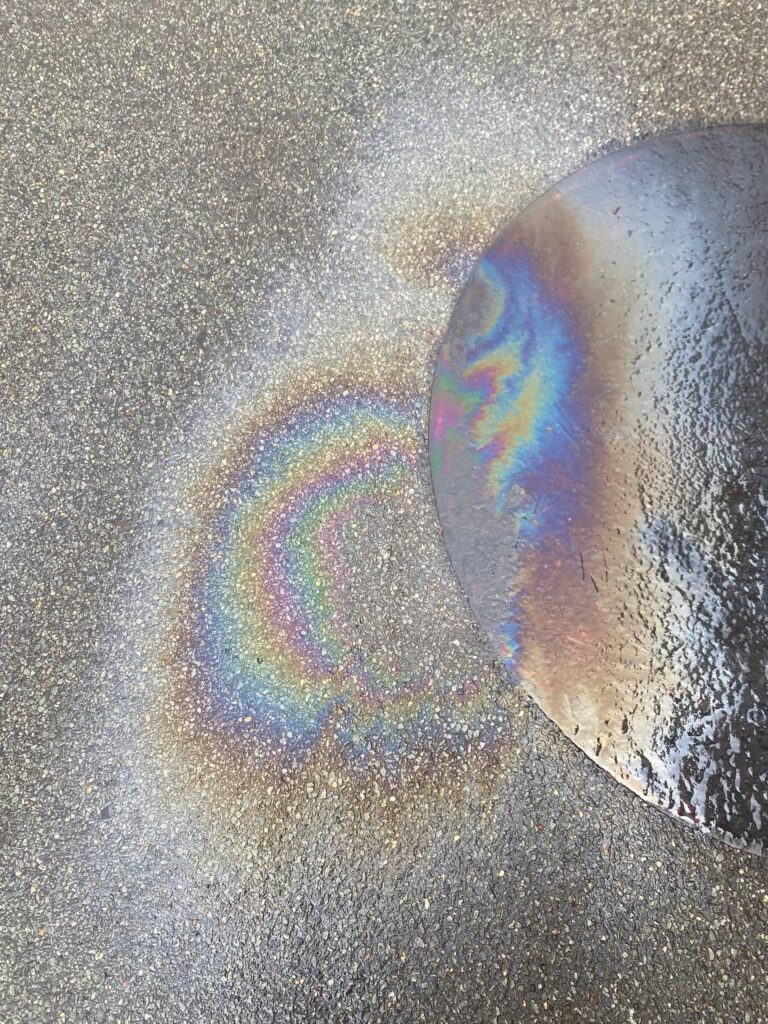
There’s something magical about that kind of synchronicity. A lot of my inspiration comes from daily life, especially through movement and observation. Walking with our dog is a big part of my process—it forces me to slow down, to listen deeply, and to see details I might otherwise overlook. I often take photos of small textures, shapes, or patterns I notice along the way, or record environmental sounds that catch my ear. On the moment, I don’t necessarily know how they’ll be used, but they always find their way back into my work in some form. It’s like collecting fragments of the world, pieces of a larger puzzle that will later reveal their place.
What role does space—both physical and conceptual—play in your music and
artistic expression?
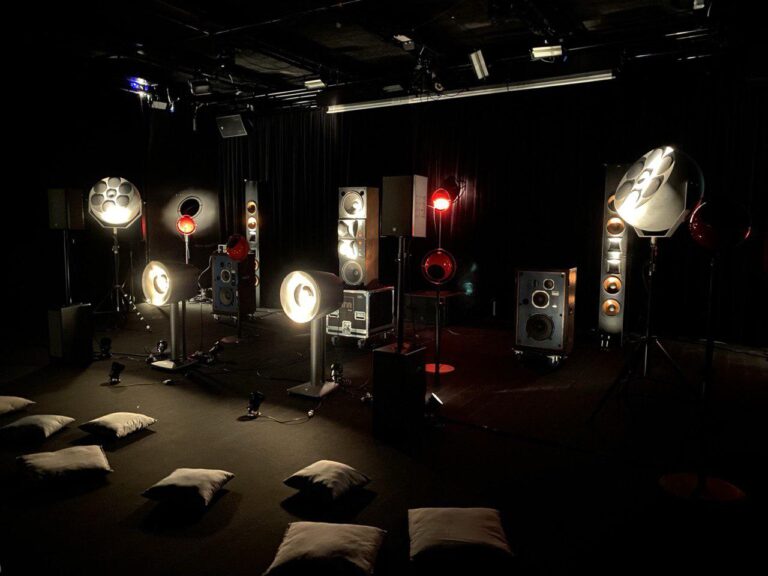
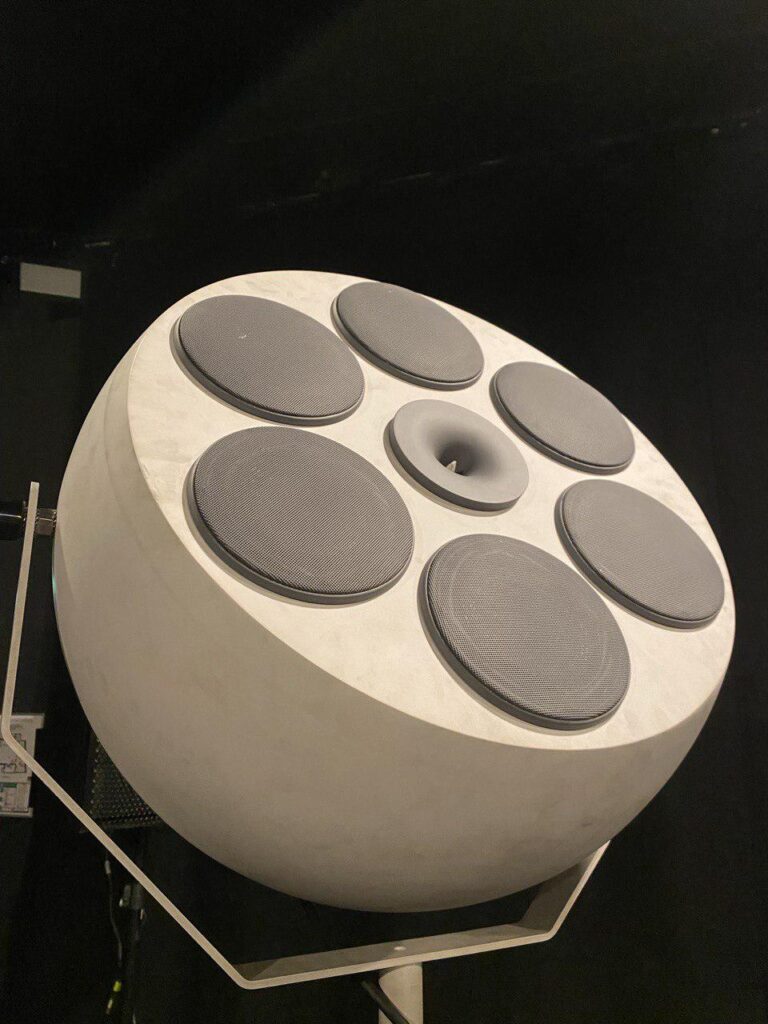
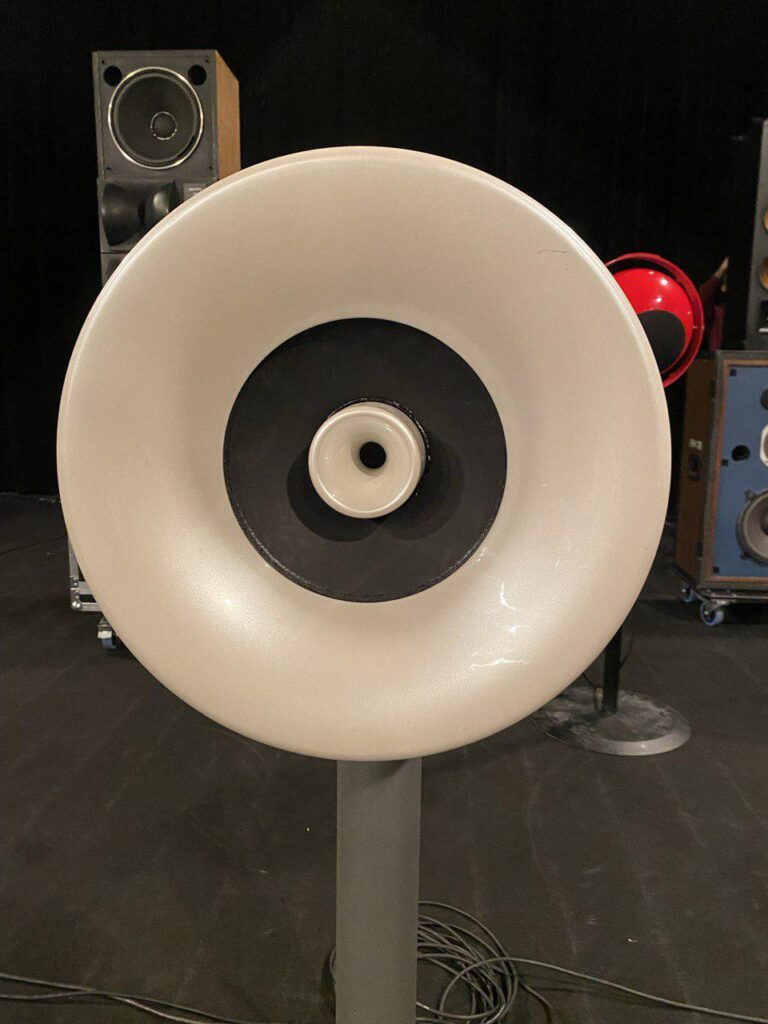
I’m fascinated by how we perceive space—how sound interacts with an environment, how it moves, how it shapes our sense of place. When composing or performing, I think about space not just as a backdrop but as an instrument itself. This is especially present in my work with multichannel speaker systems like the Acousmonium, where sound can physically move through space, creating an immersive, almost sculptural experience. Spatialization—how sound is positioned and diffused—adds another layer of expression, allowing me to guide the listener on both an audible and physical journey. I also work with psychoacoustics, exploring how sound can alter perception, and I’m deeply interested in sound as a form of memory—how a space carries its own sonic imprint. Whether it’s field recording a specific location, composing site-specific pieces, or working with what I call sonorigins (sound origins tied to heritage), I see sound as a way to capture and preserve the genius loci—the spirit of a place.
Over the years, you’ve been part of collectives and communities that emphasize collaboration. How important is that aspect of creation to you, and how do you navigate the balance between personal expression and collective synergy?
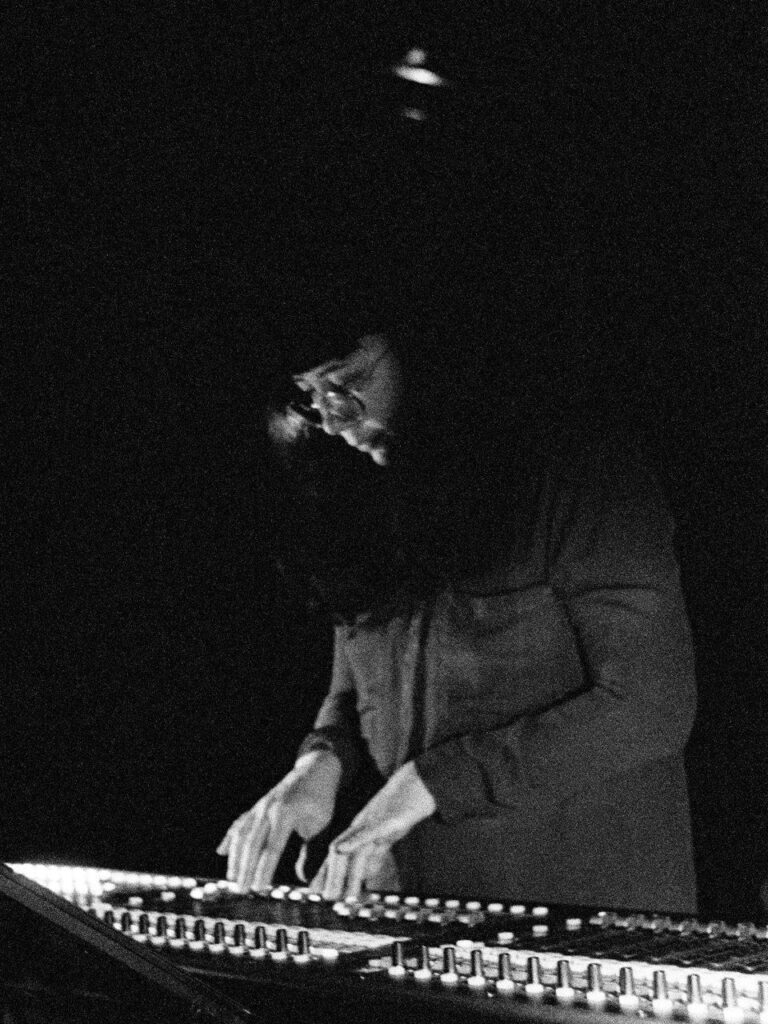
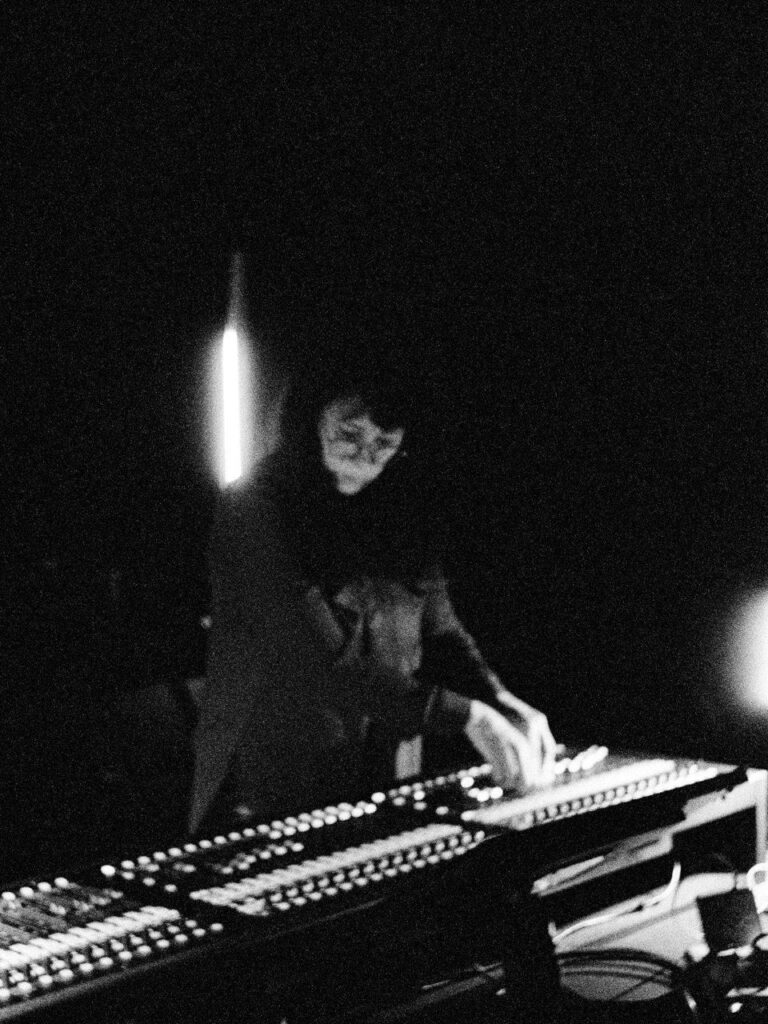
Collaboration is something I deeply value because it creates possibilities that wouldn’t exist otherwise. When you work with others, you open up new perspectives, new ways of thinking and making that you couldn’t have arrived at alone. It’s a process of exchange, of allowing something unexpected to emerge through shared creativity. At the same time, personal expression is essential—it’s where you refine your own voice and develop your artistic language. I love working solo, diving into my own world, but I also find that collaboration brings a kind of expansion—it stretches you beyond your habitual ways of working. I think the key is balance: personal creation gives you a foundation, and collaboration allows you to break beyond it. The two feed each other in a very organic way.
Looking ahead, are there any upcoming projects, collaborations, or creative directions you’re excited to explore?
There’s a lot unfolding right now that I’m really excited about. With RON, we’re shifting into a new phase that feels very aligned with where we are creatively. We’re focusing more on creation in a broad sense, for sync purposes, exhibitions, listening sessions, and collective collaborations. It feels like a natural evolution, and I’m looking forward to seeing how it takes shape.
I’m also working on Gazon with my man David, which is a project we had set aside for a while but recently picked up again. It’s bringing us a lot of joy, and it feels like the right time to dive back into it.
Another area that’s been inspiring me is radiophonic composition. Working on Poney.FM’s radio platform has sparked new ideas, and I want to explore that further. I created a radiophonic piece for Sonic Heritage, which ties into my love for sound preservation and site-specific storytelling and I just finished an EP for Caracteres, a label from Quito, Ecuador. In process with new works, which are reflections of recent experiences I translate into audiovisual works.
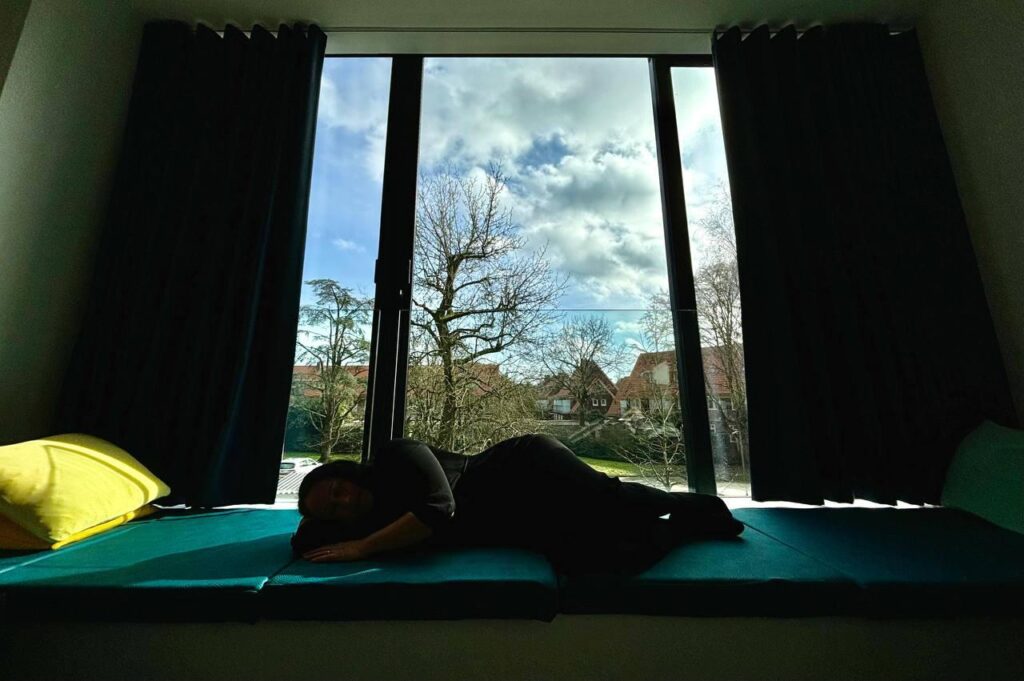
If you could soundtrack any film, exhibition, or moment in time, what would it be and
why?
If I could soundtrack a moment in time, it would be the expansion of the universe. This theme has been deeply present in my life—not just as a scientific concept but as something that sparks wonder and imagination. Every night, I read to my son from books by astrophysicists like Hubert Reeves, exploring the Big Bang, cosmic evolution, and the latest research about the universe. It’s a beautiful ritual, one that blends science with poetry, fact with the unknown. What fascinates me about the expansion of the universe is that it’s both an ongoing event and something beyond human comprehension—constantly unfolding, shifting, and evolving. Sonically, this could be an endless exploration of textures, frequencies, and spatial depth, mirroring the vastness and motion of the cosmos. There’s something humbling about contemplating the scale of it all, yet at the same time, it connects to something profoundly personal—our own inner expansions, our growth, our learning, our ability to shift perspectives and marvel at the universe.
What’s something you’ve been deeply inspired by lately—whether music-related or
beyond?
Lately, I’ve been very inspired by being in the moment. It’s something I’ve been reading more about—this idea of not letting the ego interfere, not dwelling on the past or obsessing over the future, but just being here. It’s such a simple idea, yet it’s one of the hardest things to practice in daily life. Becoming aware of when the mind slips away and gently bringing yourself back—whether through music, movement, or simply observing the present moment—has been an ongoing exploration for me.
This theme has also made its way into my creative process. I’ve been thinking about how creation itself can be a way to stay present. Instead of viewing it as an outcome-driven act—where you’re focused on a final product—it can be a form of meditation, a practice, a way of grounding yourself in the now. When I’m fully immersed in making something, I’m no longer lost in past thoughts or future worries. It’s like shifting from the mind into the body, letting intuition take over. That’s actually where Sonic Meditations came from. I wanted to translate this idea into sound—a series of guided sonic collages inspired by books and practices that have helped me feel more centered. In a way, it’s how I process the world around me, offering a sonic space where the listener, too, can slow down and reconnect.
Tracklist:
Life, Life ~ Ryuichi Sakamoto
The Painted Room ~ Lisa Lekerfeldt
Hyphae ~ Gonubie
Tooth, Wallflower ~ Li Yilei
Sous Espace ~ Accalmie
Little Faith ~ Gigi Masin
4U ~ Nueen
Under ~ Hviledag
Levi’s Synth ~ Khotin
Till Hurricane Bisect ~ KMRU
Pallet Fork ~ Madelyn Merkey
Flaurent ~ Ilkae
Anti-Stress for Babies & Families ~ Suso Saiz
Everything, Everywhere ~ Alaskan Tapes
Fullmoon ~ Ryuichi Sakamoto
Lastly, tell us about your future plans.
After 12 years in Paris, I moved back to my home country; the Netherlands. It feels like the right time—there are many exciting developments happening here, and I feel like there’s more space to create.
I like to focus more on working in live settings. I recently did my first spoken word live performance, which was completely out of my comfort zone, but it opened up something new—another layer of expression that I’d love to explore further. Another focus for me is blurring the lines between image and sound, exploring new ways to tell stories through both mediums, and experimenting with multichannel compositions across installations and live performances.
But beyond all that, I remind myself that everything is always in process.
There’s no fixed destination, just an unfolding path—one that I’m excited to keep following.